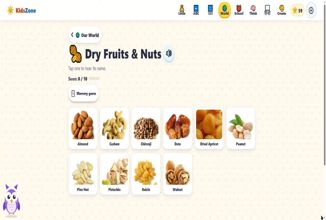
Almond, cashew, chironji: ten dry fruits every Indian kitchen knows
Some vocabulary belongs to every household in India and still never appears in children's books. Dry fruits are a good example.
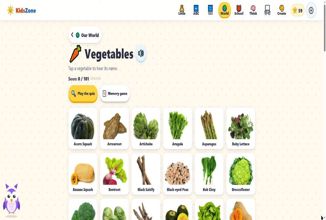
101 vegetables: from arrowroot to zucchini, and a way into the kitchen
Vegetables are where many children and parents go into battle. "Eat your sabzi" is said in every Indian home, often more than once a meal.
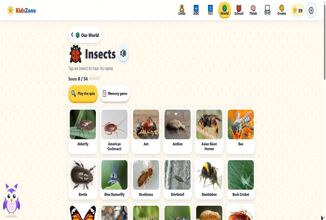
54 insects, including the cockroach nobody wants to tap
Children have strong feelings about insects. Butterflies are beautiful. Bees are scary. Cockroaches are disgusting. Ladybirds are cute.
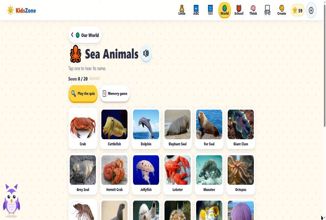
Crabs, cuttlefish and a manatee: the 20 sea animals that aren't fish
The sea is full of animals that children love and rarely understand. A dolphin looks like a fish but breathes air. An octopus has no bones.
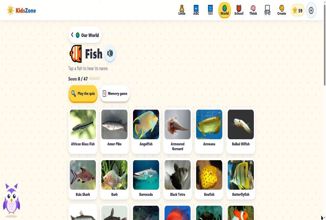
Not just goldfish: 47 fish to meet, from angelfish to arowana
Ask a child to draw a fish and you'll usually get the same shape: an oval with a triangle tail, often orange. That's the goldfish from every cartoon.
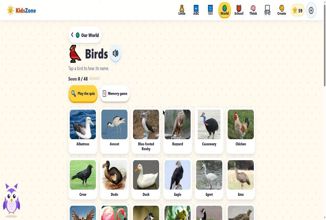
48 birds, from the albatross to the dodo, each one a tap away
Children notice birds long before they can name them. The crow on the wall, the pigeons at the railway station, the bright green parrots that visit the...
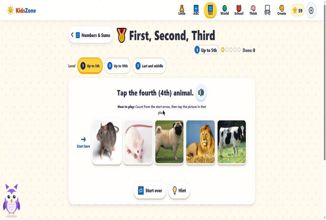
First, second, third: the counting words that tell you where, not how many
"How many children are in the line?" and "Which child is third in the line?" sound similar, but they ask completely different things.
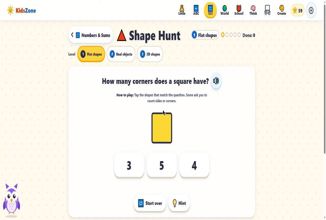
How many corners does a square have? Shape Hunt from flat shapes to 3D
Ask a four-year-old to name a circle and they'll do it instantly. Ask how many corners a square has, and you'll often see them start counting in the air...
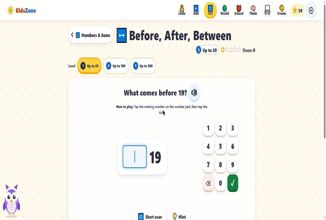
What comes before 19? Before, After, Between and the number line in a child's head
"What comes after 7?" is easy for most five-year-olds. "What comes before 19?" is surprisingly harder.
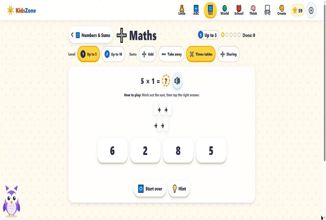
Add, take away, times tables and sharing: one Sums game for all four
Many maths apps for children teach one operation at a time, often in a separate game for each.
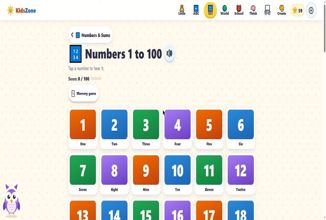
Numbers 1 to 100: hearing them, seeing them, and spelling them out
Counting to a hundred is a rite of passage. But knowing the sequence by heart and knowing what each number looks like and is called are two different things.
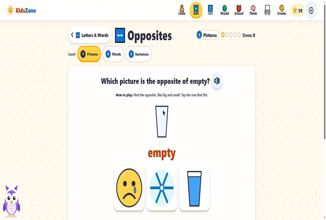
Empty and full, open and shut: teaching opposites from pictures to sentences
Opposites are one of the first ways children organise the world. Hot and cold. Day and night. Big and small.
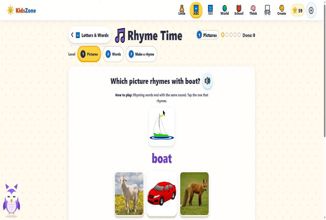
Boat, goat, coat: Rhyme Time and the ear for reading
Long before children read, they rhyme. "Mummy, yummy, tummy" comes out of a three-year-old as naturally as giggling.
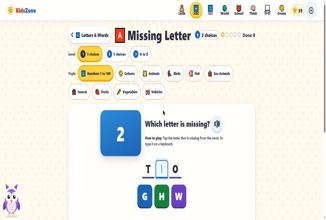
Missing Letter: one gap, three choices, and a lot of quiet thinking
Ask a six-year-old to spell "two" from scratch and you might get "tu", "too" or a blank look.
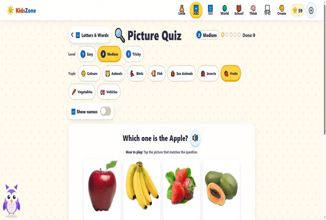
One quiz, nine topics: the Picture Quiz that keeps up with school
In the early school years, a child's vocabulary grows in bursts that follow the syllabus. One month it's fruits, the next it's insects, then vehicles, then...
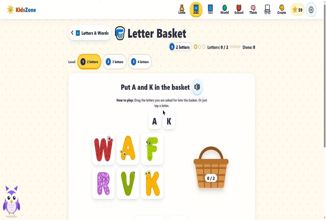
Letter Basket: listen for two letters, find them, drop them in
Recognising a letter when you see it is one skill. Finding a particular letter when someone asks for it, among others that look similar, is a slightly...
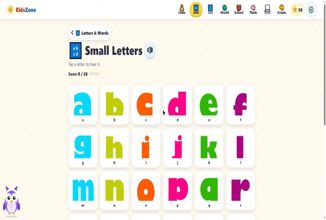
Small letters are the ones children actually read
Here's something that surprises many parents. Children usually learn capital letters first, because they're bigger, simpler and on every alphabet chart.
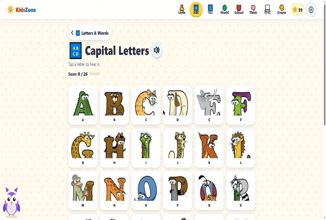
Capital letters with personality: an alligator A, a bear B, and twenty-four more friends
Most alphabet charts on a classroom wall look the same: a red A, a blue B, a picture of an apple and a ball.
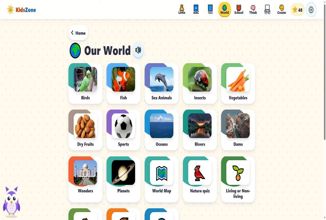
Our World: from birds and rivers to planets and wonders
Our World: from birds and rivers to planets and wonders. [image: KidsZone Our World section with tiles for Birds, Fish, Sea Animals, Insects, Vegetables...
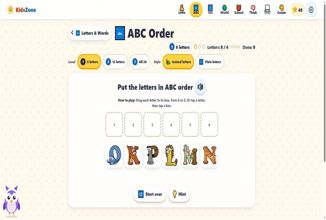
A, B, C... and then what? Putting letters in order with animal letters
A, B, C... and then what? Putting letters in order with animal letters. Almost every child can sing the alphabet song. Far fewer can tell you which letter...