
Cyclone Arnab Highlights: Landfall, Impact and Safety Measures
Cyclone Arnab has brought renewed attention to India's coastal disaster preparedness, highlighting the risks posed by powerful winds, intense rainfall, flooding and disruptions to transport and electricity. The storm developed over the Bay of Bengal in late October 2026 and made landfall along the Andhra Pradesh coast on October 28, affecting coastal communities and prompting emergency measures across several states.
As communities assess the damage and authorities continue response and recovery operations, Cyclone Arnab offers important lessons about early warnings, evacuation planning and the need for resilient infrastructure.
Key highlights of Cyclone Arnab
1. Formation over the Bay of Bengal
Arnab emerged over the Bay of Bengal on October 25, 2026, becoming the first named storm of the 2026 North Indian Ocean cyclone season, according to NASA Earth Observatory.
2. Landfall along Andhra Pradesh
The storm crossed the coast between Bapatla and Visakhapatnam, near Narsapur and southwest of Yanam. Its landfall was completed during the morning of October 28.
3. Powerful winds and heavy rainfall
Reports indicated sustained winds of approximately 125–135 km/h during landfall, with stronger gusts. Heavy rainfall and strong winds threatened homes, crops, trees and electricity infrastructure.
4. Large-scale evacuation and emergency response
Authorities moved residents from vulnerable areas to safer locations, deployed disaster-response teams and opened relief shelters. Rail services were also disrupted, with more than 100 train services reportedly cancelled or rescheduled.
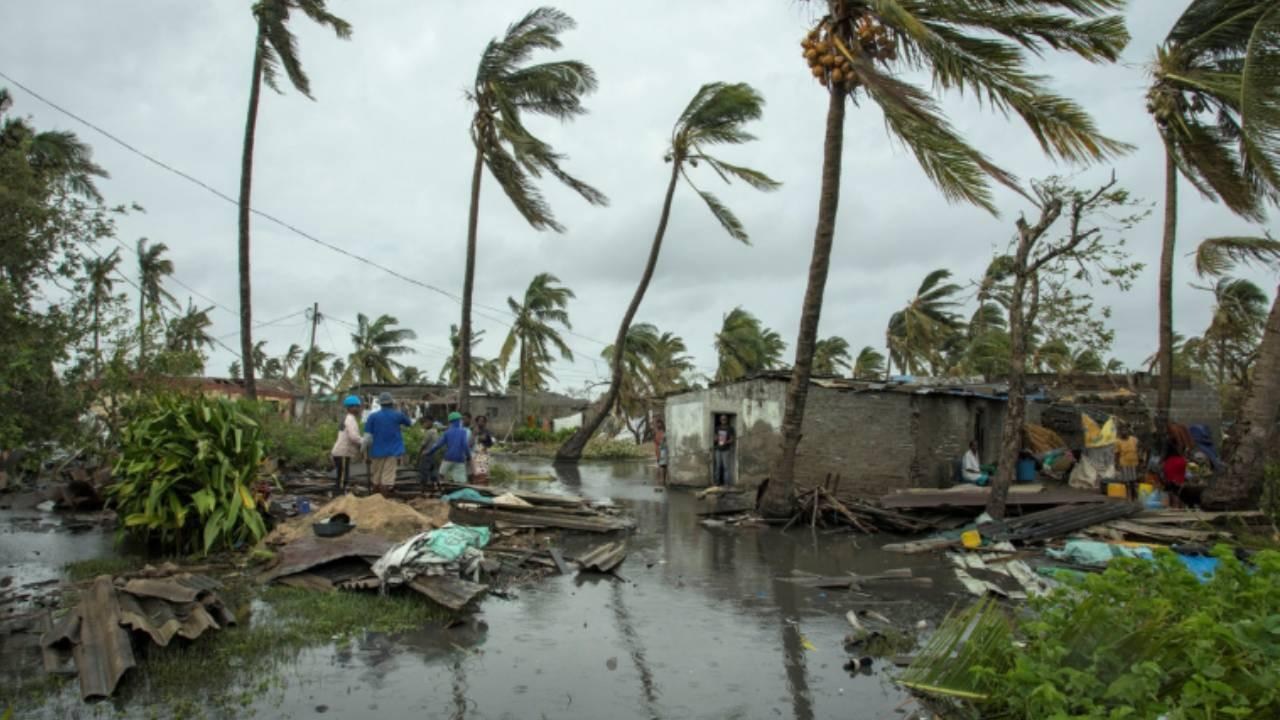
Impact on people, infrastructure and agriculture
Cyclone Arnab's effects extended beyond the immediate coastline. According to reporting published on October 29, officials had confirmed six deaths in Andhra Pradesh, while another report cited a higher figure of seven. These figures may change as verification continues. Electricity infrastructure also suffered significant damage, with at least 15,000 power poles reportedly affected.
The main areas of concern include:
- Agriculture: Heavy rain and flooding threaten standing crops, agricultural land and rural livelihoods.
- Electricity: Damaged poles and power lines create outages and slow recovery.
- Transportation: Train and flight cancellations disrupt travel, deliveries and emergency movement.
- Coastal communities: Fishing restrictions and dangerous seas affect fishermen and coastal businesses.
- Public services: Schools and local services may be disrupted in areas experiencing heavy rainfall.
Which states were affected?
The cyclone's influence reached beyond Andhra Pradesh, with rainfall and weather warnings affecting parts of eastern and central India.
| State or region | Key concern |
|---|---|
| Andhra Pradesh | Landfall, wind damage, flooding and power outages |
| Odisha | Heavy rainfall, waterlogging and flash-flood risk |
| Telangana | Rainfall and weather-related disruption |
| Chhattisgarh | Heavy rain and local flooding risks |
| Jharkhand | Rainfall and temporary school closures in some districts |
| Eastern Uttar Pradesh and Bihar | Rainfall associated with the weakened weather system |
Residents should check the latest district-level warnings from the India Meteorological Department (official IMD website), because conditions can change as a cyclone moves inland.
How did authorities prepare for the cyclone?
Preparation and early evacuation were central to the emergency response. Before landfall, central and state authorities coordinated disaster-response teams, activated control rooms, arranged shelters and advised fishermen to remain ashore. The National Crisis Management Committee also reviewed preparations ahead of the storm.
These actions highlight several important elements of effective disaster management:
- Early warning systems: Accurate forecasts give residents and local authorities time to prepare.
- Planned evacuations: Moving people from low-lying and flood-prone locations reduces exposure to danger.
- Emergency coordination: Local administrations, rescue teams, police, health services and utilities must work together.
- Rapid restoration: Repairing electricity, water and communication networks is essential after landfall.
- Public communication: Clear, timely instructions help prevent panic and reduce avoidable risks.
What should residents do after a cyclone?
Even after a cyclone weakens, hazards may persist because of saturated ground, fallen power lines, damaged buildings and rising water levels.
- Follow official weather alerts and evacuation instructions.
- Avoid flooded roads, swollen streams and coastal waters.
- Stay away from fallen electrical wires and report them to the authorities.
- Use safe drinking water and avoid contact with potentially contaminated floodwater.
- Keep essential medicines, identification documents, drinking water and emergency supplies accessible.
- Check on older people, children and others who may need assistance.
For general disaster-preparedness information, residents can also consult the National Disaster Management Authority at NDMA's official website.
Lessons for India's future disaster preparedness
Cyclone Arnab underscores the importance of combining meteorological forecasting with practical planning. Better forecasts alone cannot eliminate disaster risks; communities also need resilient homes, effective drainage, reliable power networks and accessible emergency shelters.
There is also a wider infrastructure lesson. Coastal cities need to consider extreme rainfall and flooding when planning roads, industrial facilities, data centres and electricity systems. Climate-risk assessments and disaster-resilient design can help reduce future losses.
For further reading on environmental risks and public policy, explore relevant discussions on MindStick YourViews and technology-related coverage on MindStick.
Conclusion
Cyclone Arnab is a reminder of the destructive potential of tropical storms and the importance of preparedness, public cooperation and resilient infrastructure. Its landfall along Andhra Pradesh, its impact on neighbouring regions and the subsequent restoration challenges demonstrate why disaster management must continue after the strongest winds have passed.
The immediate priority is to protect lives, support affected families, restore essential services and assess the damage accurately. In the longer term, investment in early warning systems, safer infrastructure and community awareness will be essential to reduce the impact of future cyclones.

Passionate content creator with a keen interest in Artificial Intelligence, emerging technologies, trending news, and current affairs. I enjoy exploring the latest innovations, breaking down complex tech topics into engaging content, and sharing insightful perspectives on global trends. My goal is to create informative, easy-to-read, and impactful content that keeps readers updated with the fast-changing digital world.