Why Indian Cities Flood Every Monsoon
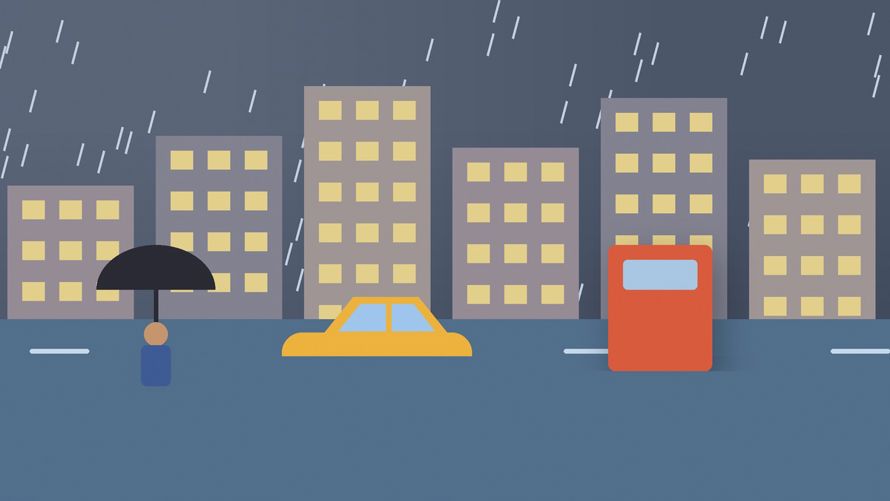
Every monsoon, the same scenes appear on our phones. Cars half-submerged on Mumbai streets. Office workers wading through water in Bengaluru’s tech corridors. Buses stuck in flooded underpasses in Delhi and Gurugram. Children rowing makeshift boats in Hyderabad or Chennai. We share the videos, make jokes and move on, until it happens again next year.
I think we have started treating urban flooding as if it were weather. It is not. Rain is natural. Cities drowning in it is mostly man-made.
We Built Over the Water
Indian cities grew around lakes, ponds, rivers and natural drains for a reason. These water bodies stored and carried away excess rain. Over the past few decades, many have been filled, encroached or turned into layouts, roads and buildings.
Bengaluru was once famous for its interconnected lakes. Many have shrunk or disappeared, and the channels that linked them have been built over. When heavy rain fell in 2022, parts of the city’s prime tech areas went under water. Chennai saw something similar in 2015, when lakes and floodplains that had been built over turned into flood zones. In Mumbai, the 26 July 2005 deluge, when the city received close to a metre of rain in a single day, exposed how mangroves and the Mithi river had been squeezed.
The water does not forget where it used to flow. When it rains hard, it goes back there.
Drains That Cannot Cope
Much of the drainage in older parts of our cities was designed decades ago for far less rain and far less concrete. Many systems can handle only modest rainfall per hour. Today, heavy bursts of rain are becoming more frequent, and a few hours of intense downpour can overwhelm them.
To make matters worse, drains are often blocked with plastic, garbage and construction debris. Desilting before the monsoon is announced every year, but quality is uneven, and contractors are rarely held accountable.
Too Much Concrete
As cities expand, open ground disappears under roads, parking lots and buildings. Rainwater that once soaked into the soil now runs off hard surfaces into drains, all at once. Even small housing societies pave every inch of their compounds. This alone makes flash floods more likely.
The Climate Factor
Climate change is making things worse. Scientists and the India Meteorological Department have noted an increase in extreme rainfall events, where a large amount of rain falls in a short time. Cities planned for gentle, spread-out showers are now facing short, violent bursts. But climate change is the multiplier, not the root cause. Cities that protect their lakes and drains handle these extremes far better.
Who Is Responsible
- Planning authorities that approve buildings on lake beds and floodplains.
- Municipal bodies that fail to maintain drains properly.
- Builders who encroach on natural channels and pay little or no penalty.
- Citizens who dump garbage into drains and pave over every open space.
- Political leaders who announce emergency measures every monsoon but rarely fund long-term solutions.
What Cities Should Do
- Map and protect every lake, wetland and natural drain, and remove encroachments where possible.
- Upgrade storm-water drains for modern rainfall levels, separate from sewage lines.
- Adopt sponge city ideas: permeable pavements, rain gardens, restored wetlands and rooftop rainwater harvesting so the ground can absorb water.
- Create real-time flood warnings and maps that show residents which areas are at risk.
- Make desilting transparent, with public data on which drains were cleaned and by whom.
The Other View
Some officials and engineers argue that no city in the world can handle extreme rainfall without some flooding, pointing to floods in places such as New York, Dubai and parts of Europe in recent years. Others say that rapid migration to cities made unplanned growth inevitable, and that fixing old infrastructure takes decades and huge budgets.
These points are fair. No city can be completely flood-proof. But the difference between a few hours of waterlogging and days of chaos is planning. As long as we keep building where water belongs, the monsoon will keep reminding us of our mistakes.

Working as Associate Software Engineer with Ufone in Islamabad. I have 2 years of experience in mobile app development with Flutter and Kotlin. I did my BS Software Engineering from COMSATS University Islamabad. In my free time I like photography and playing badminton.