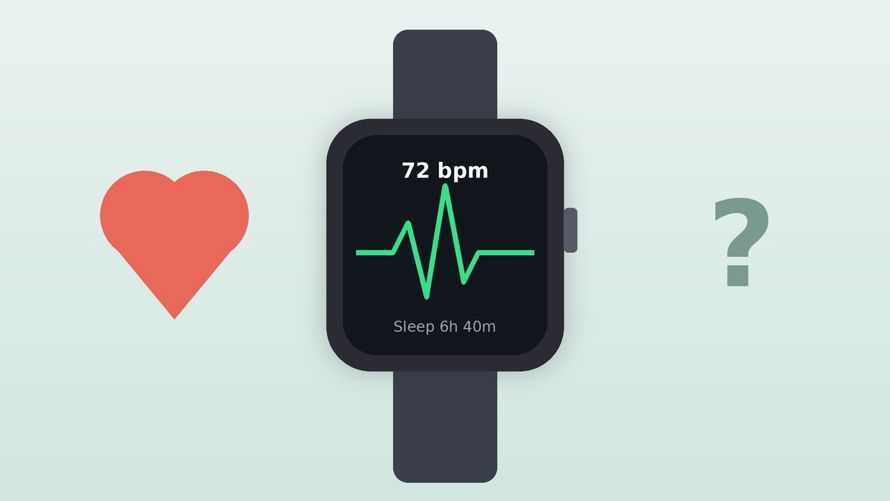
Smartwatches Promise Health Insights but Do They Deliver?
A few years ago, cheap smartwatches became a craze in India. Every second person at a wedding seemed to have one: square screens, colourful straps, a notification buzz every few minutes. Brands promised heart monitoring, blood oxygen, stress scores and sleep analysis, all for the price of a good pair of shoes.
I bought a few for myself and family members over the years. Some features changed our habits for the better. Others gave numbers that made little sense. So, do smartwatches really deliver on their health promises? My answer is: partly.
What Smartwatches Do Well
- Step counting and activity: Even basic watches give a reasonable sense of how active you are. Seeing “2,000 steps” at the end of a desk-bound day is a useful wake-up call.
- Heart rate trends: Optical sensors are fairly good at measuring resting heart rate and trends over time, especially during steady activities like walking.
- Reminders: Nudges to move, drink water or breathe can build healthy habits.
- Workout tracking: Runners, cyclists and gym-goers benefit from tracking distance, pace and consistency.
- Some medical-grade features: Premium watches from brands like Apple, Samsung and Google have features such as ECG and irregular rhythm alerts, cleared by regulators in some countries, that have helped people discover heart rhythm problems early. Some can now alert users to possible signs of high blood pressure.
Where They Struggle
- Sleep tracking gives a broad picture, but the detailed “deep sleep” and “REM” numbers are estimates and can vary a lot from lab tests.
- Blood oxygen (SpO2) readings on wrists, especially on cheap watches, can be inconsistent.
- Calories burned are often rough guesses.
- Stress scores are based on heart rate variability and algorithms, not a direct measure of how you feel.
- Cheap watches may show numbers that look precise but have little scientific backing.
The Risk of Health Anxiety
Something I have noticed among friends: some people become anxious because of their watch. A slightly high heart rate reading or a poor sleep score can cause worry, sometimes leading to unnecessary tests. Others ignore real symptoms because “my watch says everything is fine.”
Both are mistakes. A watch is not a doctor. If you feel unwell, chest pain, breathlessness, dizziness or anything unusual, see a doctor regardless of what your watch says.
How I Use a Smartwatch Now
- Watch trends, not single numbers. A week of data tells you far more than one reading.
- Use it to build habits: daily steps, regular sleep times and activity breaks.
- Treat alerts as prompts to check with a doctor, not as a diagnosis.
- Don’t obsess over scores. Sleep and stress scores are guides, not grades.
- Choose a watch from a brand that is open about accuracy and regulatory approvals if you care about health features.
- Protect your data. Health information is sensitive. Check what the app collects and who it shares data with.
Is It Worth Buying?
For most people, a basic fitness band or watch is worth it if it motivates you to move more and sleep better. For those with heart conditions or high risk, a premium watch with medically validated features, used together with your doctor, can add real value. For anyone hoping a watch will replace regular check-ups, the answer is no.
The Other View
Some doctors welcome wearables because they encourage people to take an interest in their health and can catch problems early. Others worry that inaccurate readings and constant monitoring create unnecessary anxiety and extra hospital visits. Both concerns are valid. My own view is that a smartwatch is like a good friend who reminds you to walk more and sleep on time. Listen to it, but trust your doctor.

I am a Consultant Physician at NMC Specialty Hospital Al Ain. I graduated from the United Arab Emirates University with an MD and obtained an Arab Board certification in Internal Medicine from the Arab Board of Health Specializations. After my training at Tawam Hospital I have worked for 19 years in this role. My areas of interest are diabetes, hypertension and thyroid disorders.