Is the American Dream Still Alive in 2026?
When I was growing up, America in Indian minds was a land of big cars, big houses and big chances. Uncles who went abroad in the 1970s and 1980s would come back with stories of starting with nothing and owning a home within a few years. For many families, “settled in America” was the highest compliment.
Today, when I talk to young Indians working in the US, or to Americans their age, the stories sound different. The jobs still pay well, but the house feels far away, the loans feel heavy and the visa or the next layoff is never far from their mind.
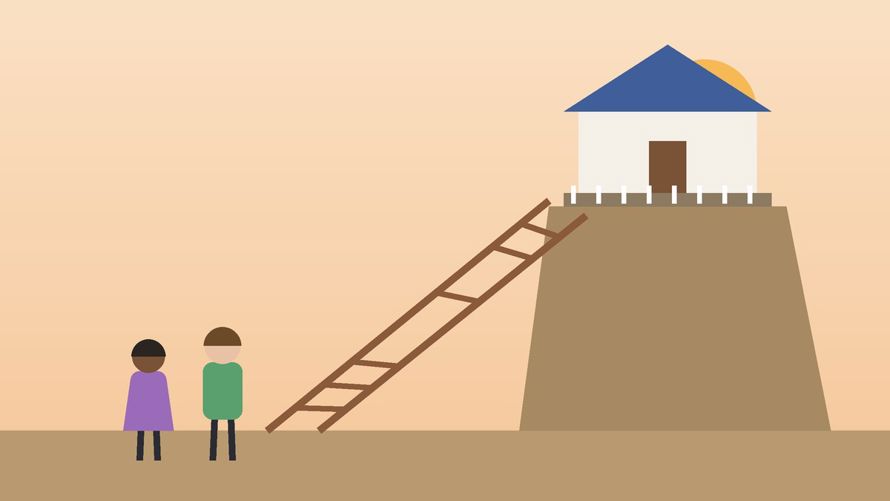
So is the American Dream still alive? My honest answer: yes, but with a much higher entry fee.
What the Dream Promised
The phrase became popular in the 1930s. It was never just about money. It meant that your future was not fixed by your birth, that effort mattered more than background, and that each generation would do better than the last.
For decades, that was largely true. Research by economist Raj Chetty and colleagues found that around 90 percent of Americans born in 1940 grew up to earn more than their parents. For those born in the 1980s, it was about half. That single statistic explains a lot of American anger.
Where It Has Become Harder
- Housing: The age of the typical first-time homebuyer has climbed to around 40, a record. In many cities, a starter home costs many times a young couple’s yearly income.
- Education: A college degree is still valuable, but Americans owe well over a trillion and a half dollars in student loans. Many start working life deep in debt.
- Healthcare: Medical bills remain a common cause of financial stress.
- Childcare: In many states, childcare costs as much as college tuition.
- Inequality: The gap between the top and the middle has widened. Wealth increasingly follows wealth.
Where It Is Still Very Real
Despite all of this, I find it hard to call the dream dead.
- Immigrants keep succeeding. Indian Americans are among the highest-earning groups in the country. Many founded or lead major companies.
- Entrepreneurship is still easier in America than almost anywhere. Capital, markets and a culture that forgives failure remain powerful advantages.
- Top universities and research labs still attract the world’s best talent.
- Wages for many workers rose in recent years, even if prices rose fast too.
And people still want in. Millions apply for visas and green cards every year. Even after the steep new fee on fresh H-1B petitions announced in 2025, companies and workers are looking for ways to stay connected to the American market. You do not see that kind of demand for a dream that has died.
The Dream Has Changed Shape
I think the dream has shifted from “anyone can easily own a house with a white fence” to “anyone with skills, luck and persistence can still build something big.” The first version needed only steady work. The second needs education, timing and, often, help from family.
That is a narrower dream. It works brilliantly for some and feels like a cruel promise to others, especially young Americans without degrees in towns where factories closed.
What Would Revive It
- Building far more housing to bring prices down.
- Making college and vocational training cheaper and more useful.
- Reducing the link between health insurance and jobs.
- Investing in places left behind, not just booming cities.
The Other View
Some argue the dream is as strong as ever, that Americans today enjoy technology, comfort and opportunities their grandparents never imagined, and that complaints come from rising expectations, not falling chances. Others believe the dream was always partly a myth, especially for Black Americans and the poor. Both arguments have weight. My own feeling is that the dream is still the most powerful idea America exports. Whether it remains true for the next generation depends on choices the country makes now.

Senior Consultant Dermatologist at Om Hospital and Research Centre, Kathmandu. I graduated from the Institute of Medicine, Tribhuvan University with an MBBS and completed an MD in Dermatology at Kathmandu University School of Medical Sciences. I have 10 years of experience in this post, focused on acne, fungal infections and pigmentation disorders. Outside work I enjoy reading Nepali literature and playing cricket.