Unqualified Practitioners Are Still Treating Millions, and the Risks Are Real
In many villages and urban slums, the first "doctor" people visit isn't a qualified MBBS or AYUSH practitioner, but a local healer or an unqualified practitioner, sometimes called a "Bengali doctor", "jholachhap" or "RMP". Studies in India have found that a large share of rural healthcare providers have no formal medical qualification. They give injections, drips and strong medicines, often including antibiotics and steroids.
My view: unqualified practitioners are still treating millions, and the risks are real, but blaming patients misses why they go there.
The risks
- Wrong diagnosis, delaying proper treatment for serious conditions like TB, heart disease or cancer
- Unnecessary injections and drips, with risks of infection from unsafe needles, including HIV and hepatitis
- Overuse of antibiotics and steroids, contributing to resistance and side effects (see steroid creams)
- Dangerous drug combinations
- No accountability if something goes wrong
Why people still go to them
- Availability: they're nearby and open when qualified doctors aren't.
- Cost: often cheaper in the short term, with credit given.
- Familiarity and trust: they're part of the community.
- Quick relief: injections and strong medicines can make people feel better fast.
- Shortage of qualified doctors in rural areas (see rural doctor shortage).
What can change
- Strengthening public primary care: functional Ayushman Arogya Mandirs with trained staff and free medicines
- Training informal providers in some programmes to recognise danger signs and refer patients, an approach studied in parts of India with some success
- Regulation and action against those practising dangerous medicine illegally
- Telemedicine to connect villagers with qualified doctors
- Awareness: helping people recognise qualified providers
How to check a doctor
- Look for registration with a state medical council or the National Medical Commission, or with the relevant AYUSH council.
- Qualified doctors should display their registration number.
Danger signs to watch for
- Injections or drips given for minor illnesses
- Many medicines for a simple cold
- No examination or explanation
- No proper prescription
A thought
Encourage neighbours and elderly relatives to visit government health centres or registered doctors first. If someone has been taking injections or medicines from an unqualified provider for a long time, help them get a proper check-up, and take all their medicines along so a qualified doctor can review them.
People go where help is closest. The real answer isn't just banning quacks, but making real doctors and real care reachable.
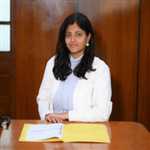
I am a Senior Consultant Gynaecologist at Kamla Nehru Memorial Hospital, Prayagraj, with 16 years of clinical experience. I completed my MBBS from Moti Lal Nehru Medical College, Prayagraj and MS in Obstetrics and Gynaecology from Moti Lal Nehru Medical College, Prayagraj. My areas of interest are high risk pregnancy, normal delivery and PCOS management. I believe in explaining every diagnosis to my patients in simple language.