Why Empires Keep Failing in Afghanistan
In August 2021, the world watched images I will never forget. Afghans clinging to a departing American aircraft at Kabul airport. Families pushing papers toward soldiers at the gates. The Taliban, removed from power in 2001, were back in the presidential palace within days.
Twenty years, enormous sums of money and thousands of lives had not produced a government that could stand on its own. That was not the first time a powerful empire left Afghanistan with nothing to show for it.
A Short History of Failure
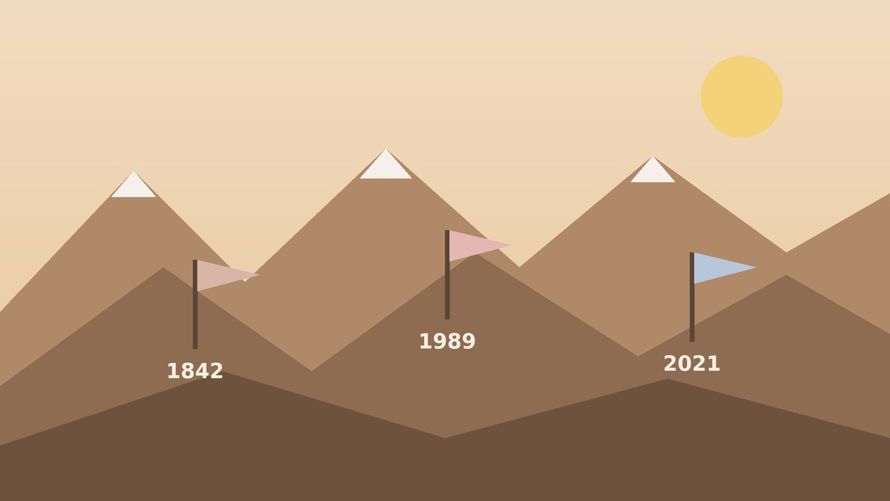
- The British (1839–1842): Britain invaded to install a friendly ruler and block Russian influence in the “Great Game.” The retreat from Kabul in 1842 ended in one of the worst disasters in British military history. Britain fought two more wars there and finally accepted Afghan independence in 1919.
- The Soviets (1979–1989): Moscow sent troops to prop up a communist government. A decade of war against mujahideen fighters, armed by the US, Pakistan and Gulf countries, cost the Soviet Union heavily and helped speed its decline.
- The Americans (2001–2021): After 9/11, the US and NATO quickly removed the Taliban. But building a stable state proved far harder. The war became the longest in American history and ended with the Taliban’s return.
Is It Really a “Graveyard of Empires”?
The phrase is dramatic, and partly misleading. Persian empires, Alexander the Great, the Mughals and others did pass through or rule parts of Afghanistan. Some empires did fine there for long periods. Babur, the founder of the Mughal Empire, loved Kabul and was buried there.
What is true is that modern outside powers trying to control the whole country from Kabul have repeatedly failed.
Why They Keep Failing
1. Geography that favours defenders. Mountains, valleys and long winters make it easy for local fighters to hide, regroup and strike. Roads are few. Supply lines are long and exposed.
2. A country of communities, not a central state. Loyalty in Afghanistan has often run to tribe, ethnic group, valley or religious network, not to a distant capital. Pashtuns, Tajiks, Hazaras, Uzbeks and others have their own histories. A government seen as foreign-backed struggles to earn trust.
3. Neighbours with their own plans. Every insurgency had sanctuaries across the border. The mujahideen and later the Taliban found shelter and support in Pakistan. Iran, Russia, China, India and Gulf states all played their own games. No outside army can seal such borders.
4. Corruption and dependence. In the US years, huge amounts of foreign money flowed in. Much of it fed corruption and created an economy and army that depended on outsiders. When the foreigners left, the structure collapsed.
5. Not knowing why they were there. Each empire began with one goal, such as revenge, security or containing a rival, and then drifted into nation-building it did not understand. Afghans could see that the foreigners would one day leave. The Taliban only had to wait.
Afghanistan Today
The Taliban now rule without serious armed challenge, but the country faces poverty, aid cuts and severe restrictions on women’s education and work. Most countries still do not recognise the government formally, though some, including Russia, have moved toward ties, and India has expanded its own engagement in Kabul.
The Other View
Some argue that the US mission was not a total failure: for two decades, millions of Afghan girls went to school, media flourished and many Afghans tasted freedom. Others say the failure was not inevitable, but the result of specific mistakes, like the distraction of the Iraq war and the 2020 deal with the Taliban. I agree that those years gave Afghans real gains. But history still teaches one lesson clearly: Afghanistan’s future will be decided by Afghans, and empires that forget this pay the price.

I am a Lead Developer at Wealthsimple, Toronto, with 9 years of experience in web development with React and Node.js. I graduated from Algonquin College with a diploma in Computer Programming. I am originally from Ottawa, Ontario. Outside work I enjoy canoeing and running.