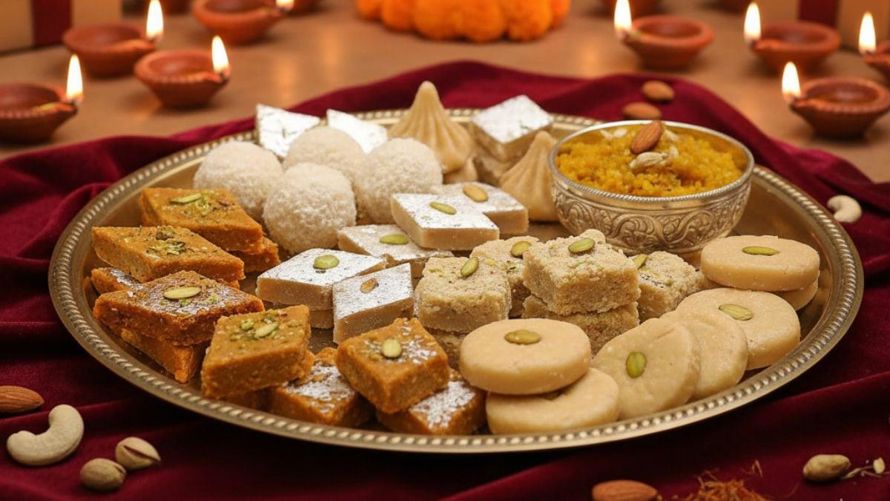
Diwali Sweets and Sharing: The Tradition of Celebrating with Food
Why Are Sweets Associated with Diwali?
Diwali is a time when families and communities come together, and food plays an important role in the celebration. Sweets are prepared at home, purchased from local shops, offered during prayers where customary, and exchanged with friends and relatives. Sharing food expresses warmth, hospitality, and good wishes.
Popular Sweets During Diwali
Different regions have their own festive favourites. Common choices include ladoo, barfi, peda, jalebi, kaju katli, gujiya, and many local specialities. Recipes and ingredients vary between households, and many families preserve treasured recipes passed down through generations.
Food as a Gesture of Togetherness
Offering sweets to guests is a familiar way to welcome them. Gift boxes are also exchanged between neighbours, friends, and colleagues. The gesture is often more important than the size or cost of the gift.
Thoughtful Ways to Share Diwali Food
- Prepare a small selection of sweets rather than making more than you need.
- Ask guests about allergies and dietary preferences.
- Label sweets that contain nuts, dairy, or other common allergens.
- Choose clean, food-safe packaging for gifts.
- Share homemade food with neighbours or people who may be spending the festival alone.
- Consider fruit, dry fruits, or savoury snacks as alternatives for people who prefer them.
Reducing Food Waste During the Festival
Festive generosity does not need to create waste. Plan quantities, store food safely, and share extra portions promptly. Support local sweet shops and home businesses when possible, while checking freshness and food quality.
Conclusion
Diwali food traditions bring people closer through cooking, gifting, and sharing. A plate of sweets can be a simple expression of affection and a reminder that celebration is best when everyone feels included.
Homemade Recipes and Family Memories
For many households, preparing Diwali sweets is part of the celebration itself. Family members may gather to shape ladoos, prepare barfi, fry festive snacks, or follow recipes that have been handed down through generations. The taste of a familiar sweet can bring back memories of grandparents, childhood celebrations, and relatives who live far away.
Regional Variety on the Diwali Table
Festive foods differ widely across India. A household may serve north Indian sweets such as peda or kaju katli, western Indian treats such as chakli and shankarpali, eastern specialities, or southern snacks prepared for the occasion. There is no single menu that represents every family's Diwali.
Thoughtful Gifting for Different Needs
Before gifting food, consider whether the recipient eats dairy, nuts, gluten, or particular ingredients. Label homemade items clearly and use clean, food-safe containers. For people who prefer less sugar, a small box of dry fruits, fresh fruit, or savoury snacks can be a considerate alternative.
Store and Share Food Safely
Follow storage guidance for milk-based sweets and other perishable foods. Keep them refrigerated when required, use clean serving utensils, and avoid leaving food at room temperature for extended periods. Prepare realistic quantities so that the joy of sharing does not lead to unnecessary waste.

I am a 5th semester student of Computer Science at Leibniz University Hannover. I live in Hanover, Lower Saxony. I am interested in software development, AI and open source and I am looking for internship opportunities to gain practical experience.