Is Civic Sense in India a Culture Problem or a System Problem?
“Indians have no civic sense.” I must have heard this sentence a thousand times, often from Indians themselves. We say it when someone jumps a queue, spits on the road, honks for no reason or throws garbage out of a car window.
But I keep noticing something strange. The same people who break every rule on Indian roads stand patiently in line at airports abroad. They do not litter in Singapore, and they wait at red lights in Dubai. Even within India, millions of people travel on the Delhi or Bengaluru Metro without eating, spitting or littering.
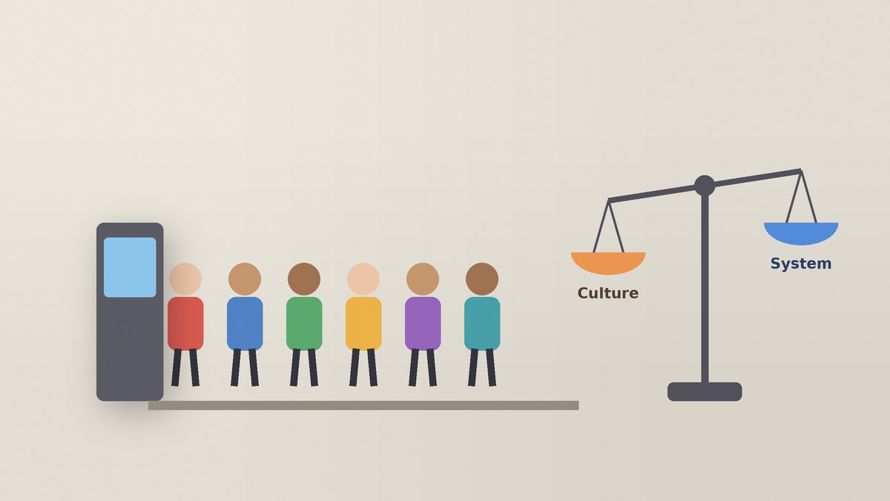
So is civic sense really missing from our culture? Or is it missing from our systems?
The Case for Culture
There is some truth to the cultural argument. Many of us grew up in homes that were spotless inside but treated the street outside as nobody’s problem. Public space often feels like no one’s property, so people do not feel responsible for it.
Our society also tends to value personal and family duty more than duty to strangers. Jumping a queue to help your own family feels normal to many people, even if it is unfair to others. Respect for rules can depend on who is watching.
Social status plays a role too. Some people break rules openly to show they are important, and getting away with it becomes a sign of power.
The Case for Systems
Still, I believe the stronger explanation is the system.
- People follow rules where rules are enforced. In metros, guards, cameras and fines are visible. Behaviour changes overnight.
- People behave well where facilities exist. Clean toilets, enough bins and proper queues encourage good habits. Missing infrastructure invites shortcuts.
- People copy what they see. When public spaces are already dirty and chaotic, one more wrapper does not feel wrong. When everything is clean and orderly, people hesitate to be the first to spoil it.
- People respond to fairness. If rule-breakers, especially powerful ones, face no consequences, others stop respecting the rules too.
Indore’s transformation into India’s cleanest city, Sikkim’s plastic bans and clean towns, and the discipline inside our metro systems all show that the same Indian citizens behave very differently when systems are clear, consistent and fair.
Why Systems Often Fail
- Weak enforcement due to staff shortages or corruption.
- Rules that are unrealistic, so everyone breaks them and enforcement becomes selective.
- Poor public infrastructure, from missing footpaths to too few toilets.
- Lack of follow-through, where campaigns start with energy and fade after a few months.
Culture and System Feed Each Other
The truth, I think, is that culture and systems shape each other. Good systems slowly change culture. A generation that grows up with clean metros, functioning bins and strict but fair traffic enforcement will develop different habits from one that grew up without them.
At the same time, culture decides whether citizens demand better systems. If we accept chaos as normal, we will not push our leaders to fix it.
What Each of Us Can Do
- Follow rules even when no one is watching, especially in front of children.
- Speak up politely when someone litters or jumps a queue.
- Support local efforts like resident welfare associations, ward committees and clean-up drives.
- Hold elected representatives accountable for basic civic services.
The Other View
Some people argue that blaming systems is an excuse, and that individuals must take responsibility regardless of what the government does. They point to villages and communities that keep their surroundings clean without strong enforcement because of shared values. That is a fair and important point.
But expecting 1.4 billion people to change through moral lectures alone has not worked. My view is simple: build systems that make good behaviour easy and bad behaviour costly, and culture will follow. Our own behaviour abroad and in our metros proves we are capable of it.

Head of Paediatrics at Medicover Hospital, Warsaw. I graduated from the Medical University of Warsaw with a medical degree (lekarz) and completed a specialization in Paediatrics at Bielanski Hospital. I have 9 years of experience in this post, focused on neonatology and childhood infections. Outside work I enjoy playing board games and reading fantasy novels.