Lakshmi Puja on Diwali: Understanding the Rituals and Their Significance
What Is Lakshmi Puja?
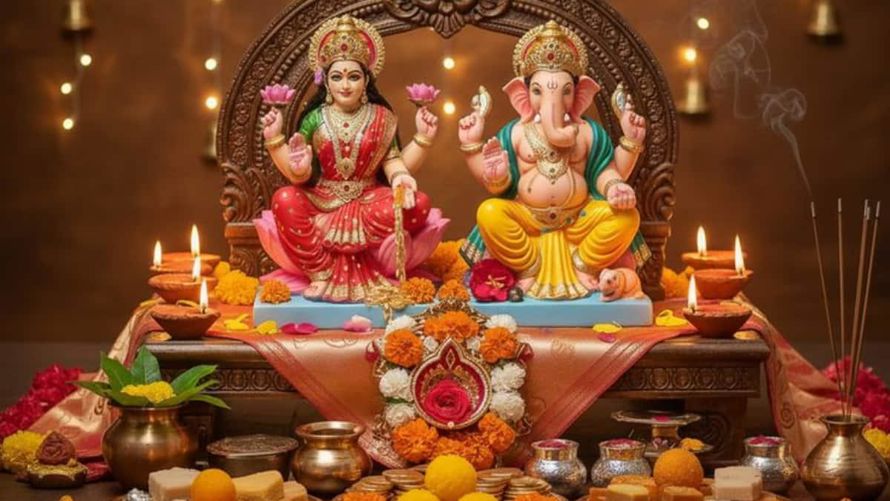
Lakshmi Puja is an important Diwali observance in many parts of India. Devotees worship Goddess Lakshmi, who is associated with prosperity, abundance, and well-being. Lord Ganesha is also commonly worshipped alongside her, with prayers for wisdom and the removal of obstacles.
Preparing for the Puja
Households often clean and decorate their homes before the prayer. A puja space may be arranged with images or idols, flowers, a lamp, incense, fruits, and sweets. The specific arrangements differ across regions and family traditions.
Common Elements of Lakshmi Puja
- Cleaning: A clean home is traditionally associated with welcome and auspiciousness.
- Rangoli: Decorative patterns may be made near the entrance or prayer area.
- Lighting a diya: Lamps create a calm and devotional atmosphere.
- Offering flowers and sweets: Offerings are made as an expression of devotion and gratitude.
- Prayer and aarti: Families recite prayers or perform aarti according to their custom.
Why Is Ganesha Worshipped with Lakshmi?
In many households, Lakshmi and Ganesha are worshipped together. The pairing expresses a wish for prosperity guided by wisdom and good judgement. It is a reminder that material success is most meaningful when accompanied by thoughtful decisions and responsible actions.
Celebrate with Gratitude
Diwali is also an opportunity to appreciate family, work, and the support of others. Some people mark the occasion by donating, sharing meals, or helping neighbours. These acts of generosity complement the spirit of the festival.
Conclusion
Lakshmi Puja brings together prayer, family customs, and hopes for a prosperous year. Understanding the meaning behind the rituals can make the celebration more thoughtful and personal.
The Values Associated with Goddess Lakshmi
Goddess Lakshmi is widely associated with prosperity, good fortune, abundance, and well-being. In a broader everyday sense, prosperity can also include health, supportive relationships, learning, meaningful work, and the ability to help others. This understanding encourages families to think about how wealth can be used responsibly and generously.
Why Families Include Lord Ganesha
Lord Ganesha is associated with wisdom, auspicious beginnings, and the removal of obstacles. Worshipping Ganesha alongside Lakshmi expresses the wish that prosperity should be guided by sound judgement. It is a reminder that careful decisions, humility, and ethical conduct are important parts of a fulfilling life.
Preparing Children for the Puja
Parents can explain the meaning of the festival in simple language, invite children to arrange flowers, and encourage them to offer a prayer or express gratitude. Keep lamps, incense, and fragile puja items under adult supervision. The aim is to make the experience welcoming rather than turning it into a test of perfect ritual performance.
After the Prayer
Many families share prasad and spend time together after the puja. Some also begin a new account book or reflect on household goals, depending on their community's custom. A thoughtful follow-up could be to set a savings goal, plan charitable giving, or make a commitment to use resources wisely in the coming year.

Hi, I am Kacper, currently studying Computer Science at Adam Mickiewicz University. My interests are software development, AI and hackathons. In my free time I enjoy playing chess and watching volleyball.