Why Indians Still Love Their Royal Enfield
I still remember the first time I sat on a Royal Enfield Bullet as a young man. It was heavy, the kick-start needed a technique, and the gear lever was on the “wrong” side compared to other bikes. But when the engine started and that slow, deep thump-thump-thump filled the street, I understood why my uncle refused to sell his old bike, even when it spent more time at the mechanic than on the road.
Decades later, Royal Enfield sells more bikes than ever. The company now sells around a million motorcycles a year, and its bikes are seen everywhere from Kanyakumari to Khardung La. Why does this brand inspire such loyalty in a market that is usually so price-conscious?
A History That Feels Personal
Royal Enfield began in England, but its Indian story started in the 1950s, when the Indian Army ordered Bullets for patrolling the borders. A factory was set up in Madras, and over time the bike became an Indian icon while the original British company faded away.
For generations, the Bullet was the bike of police officers, army men, village headmen and anyone who wanted to be noticed. Owning one meant something. That emotional history is something no new brand can buy.
The Sound and the Feel
Ask any Royal Enfield owner what they love most, and many will mention the sound. It is not just noise; it is part of the identity. The upright riding position, the solid metal feel, the round headlamp and the classic design all create a sense of character that many modern bikes, built for speed or efficiency, don’t have.
The Road Trip Dream
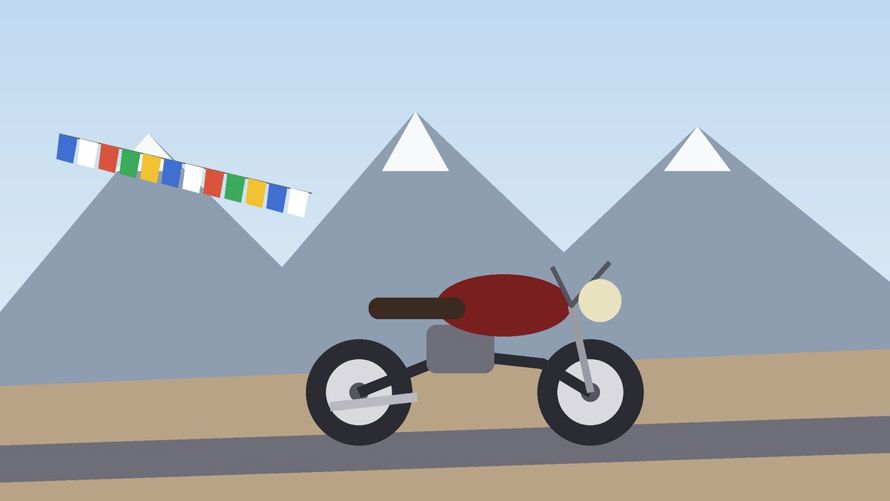
For many young Indians, a trip to Ladakh, Spiti or the Northeast on a Royal Enfield is a rite of passage. Social media is full of photos of Bullets parked near mountain lakes and prayer flags. The brand has become linked with freedom, adventure and friendship. The Himalayan model was built specifically for these rough roads.
The Turnaround Story
In the early 2000s, Royal Enfield was struggling. The bikes had a reputation for oil leaks, breakdowns and outdated technology. Under Eicher Motors, the company improved quality, opened better showrooms, launched the Classic 350 and later new platforms, and turned the brand around. The 650 twins opened doors in Europe, the US and Southeast Asia. Today, Royal Enfield exports to many countries, a rare example of an Indian brand winning global enthusiasts.
Why It Works in India
- Mid-size power: 350cc engines are strong enough for highways and hills but still manageable in cities.
- Comfort: Relaxed engines and upright seating suit long rides and Indian road conditions.
- Easy repairs: Mechanics in almost every town know how to fix them.
- Resale value: Royal Enfields hold their value well.
- Status without supercar prices: It feels premium without costing as much as imported bikes.
What Critics Say, and Fairly
I love these bikes, but I can see their flaws.
- Weight: They are heavy for daily city traffic and difficult for shorter riders.
- Fuel efficiency: Lower than commuter bikes, which matters with high petrol prices.
- Loud exhausts: Some owners fit illegal aftermarket silencers that disturb entire neighbourhoods. That is not character; it is rudeness.
- Competition: Honda, Jawa, Yezdi, Triumph, Harley-Davidson with Indian partners and others now offer modern alternatives in the same segment.
Can It Survive the Electric Shift?
The biggest question is what happens to a brand built on engine sound as motorcycles go electric. Royal Enfield has started working on electric models under a new brand. I think it will succeed only if it keeps what people truly love: design, comfort, community and the feeling of a long ride, not just the thump.
The Other View
Some riders argue that Royal Enfield sells nostalgia more than engineering, and that rivals offer better performance, lighter weight and newer technology for similar money. Others say the brand’s popularity is partly about image and that many owners never take their bikes beyond city roads. Those points are fair. But a motorcycle is not only a machine. For millions of Indians, a Royal Enfield is a memory, a dream trip and a piece of identity. Specifications can’t compete with that.

I am the Head of Marketing at SOK, Tampere, with 13 years of experience in brand and digital marketing. I graduated from Aalto University with a BSc in Economics and Business Administration and completed an MSc in Marketing at Tampere University. I am originally from Espoo, Uusimaa. Outside work I enjoy reading and cycling.