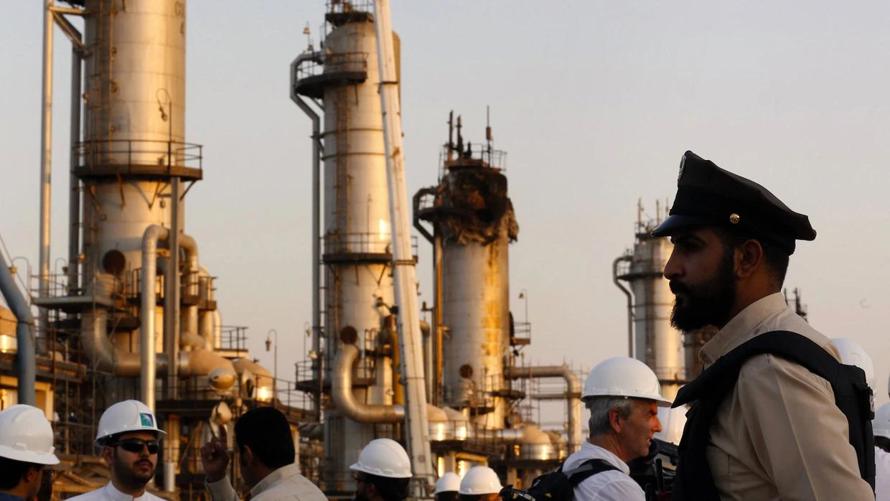
When Oil Infrastructure Becomes a Front Line
Attacks on oil infrastructure turn regional tension into a question with worldwide consequences: how much energy can still move, and at what cost? A damaged facility does not automatically mean a lasting loss of supply. But even a limited strike can unsettle buyers, shipping companies and governments when it lands in a region that already carries a large share of global energy trade.
The immediate damage is only part of the story. Oil production depends on connected systems: wells, pipelines, processing plants, power supplies, storage sites, ports and the vessels that carry crude to refineries. A fire or shutdown at one point can affect operations elsewhere, even if those facilities are untouched. Repairs may also take longer than the physical work suggests if crews cannot safely reach a site, equipment is hard to replace, or operators need to inspect related assets before restarting.
Risk can move prices before barrels disappear
Energy markets react not only to confirmed outages but also to the possibility that an attack could widen or be repeated. Traders assess whether producers can reroute shipments, whether spare capacity is available, and whether a key shipping route might become harder to use. In the Middle East, the Strait of Hormuz is one such route: uncertainty around passage there can matter well beyond the countries directly involved.
That is why an energy security risk can become an oil market volatility story before there is a clear, measurable oil supply disruption. Prices can rise on fear, then ease if exports continue and tensions cool. This does not mean markets are responding irrationally. A buyer arranging cargoes weeks ahead has to consider what could happen during that time, not only what has already happened.
Shipping adds another layer. Even when vessels are still moving, higher perceived danger can raise maritime insurance costs, complicate scheduling and encourage some operators to take longer routes or wait for clearer conditions. Those choices can tighten available shipping capacity. The eventual effect may show up as higher freight charges or delayed deliveries rather than an abrupt shortage of crude.
The costs are not shared evenly
Oil-exporting countries may face lost revenue and the expense of protecting or repairing facilities. Import-dependent countries face a different pressure: a rise in crude prices can feed through to fuel, transport and the cost of producing goods. For lower-income households, a more expensive energy bill leaves less room in the budget for everything else. Businesses that cannot quickly pass on higher costs may have to absorb them.
Some governments can cushion a short shock with strategic petroleum reserves or by adjusting purchases from other suppliers. These measures buy time; they do not make infrastructure damage or shipping insecurity disappear. Stocks are finite, alternative supply may already be committed, and a prolonged crisis is harder to manage than a brief interruption. Clear information from operators and governments matters, because uncertainty about the scale and duration of an outage can itself keep markets on edge.
Protecting assets is not the same as reducing the danger
Hardening facilities, improving monitoring and preparing backup systems can limit the consequences of an attack. So can plans that allow exports to be redirected when one route or terminal is unavailable. But oil networks are large, geographically spread and connected to public power and transport systems. There is no realistic way to guard every vulnerable point at all times.
That leaves a broader political question. If energy sites and shipping routes become targets in a widening confrontation, the damage will not be confined to the immediate parties. It will reach consumers and industries far from the region, including places with little influence over how the conflict began. Restraint and reliable communication are not substitutes for physical security, but they can reduce the chance that a local strike triggers a much larger interruption.
For now, the key distinction is between the damage already confirmed and the disruption markets fear might follow. Watching export flows, repair timelines, vessel movements and official statements offers a more grounded picture than reacting to every alarming headline. The concern is real; its eventual cost depends on whether attacks remain isolated or start to threaten the wider network that keeps energy moving.

h fdshf iosdhfi jfhjsdbhf igfnkdj dhsjfdfhgsdg dfgbsudhbj gbidfhg jdsfhjg dbfub hdfbvgdjbgh sghvjbsdb gbfjdbgvusd vfbgjdsb gdfbgjdfvbgdfj dfjbg sdfsdj hgsjdfgbh