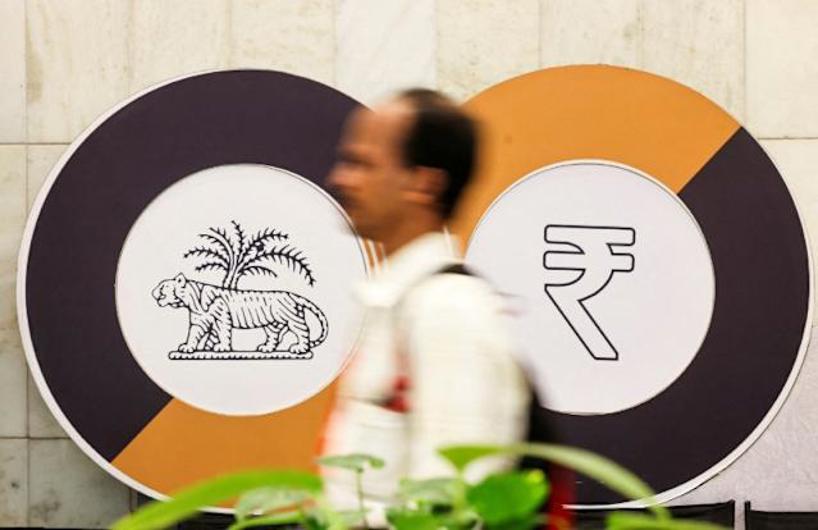
Indian Rupee Reaches a One-Month High as RBI Backs Currency Stability
The Indian rupee rose to its strongest level in about a month as support from the Reserve Bank of India (RBI) helped steady the currency. The move puts attention back on how the central bank manages sharp swings in the foreign-exchange market.
The headline signals a firmer rupee, but without a quoted trading level or session details it does not show how large the gain was. The key development is the combination of the rupee's one-month high and RBI support for currency stability.
Why central-bank support matters
A central bank can help smooth abrupt currency moves through its presence in the market and by managing domestic liquidity. Such support is generally intended to reduce excessive volatility, rather than guarantee a particular exchange rate. The precise effect depends on market conditions and the scale and timing of any action.
For businesses, a steadier exchange rate can make planning easier. A rapid fall in the rupee may raise import costs for Indian companies that pay overseas suppliers in dollars, while exporters can be affected differently depending on their costs and contracts. Currency volatility for businesses is therefore relevant even when the day-to-day move is modest.
What traders will keep watching
The rupee's next moves will depend on more than central-bank support. Market participants typically track foreign portfolio investment flows, demand for dollars from importers, global interest-rate expectations and the price of oil. India’s reliance on imported energy means currency pressure from oil imports can be an important consideration when crude prices rise.
For now, the reported rise offers a sign of near-term strength, not a guarantee that the rupee will continue climbing. Whether the improvement holds will become clearer as market flows and the RBI’s approach to currency stability develop.

Hi, this is Amrit Chandran. I'm a professional content writer. I have 3+ years of experience in content writing. I write content like Articles, Blogs, and Views (Opinion based content on political and controversial).